
How is a pessary fitted?
A trained provider assesses your symptoms and selects a pessary shape and size to trial. A suitable pessary should feel comfortable, remain supportive during movement and toileting, and allow you to empty your bladder.

 Our services
Personalized pessary fitting and pelvic health support for pelvic organ prolapse, bladder concerns, and ongoing pessary care. Available at our Ottawa and Etobicoke clinics.
 ABOUT pessary clinicAt Peloraa
 Care centred around you
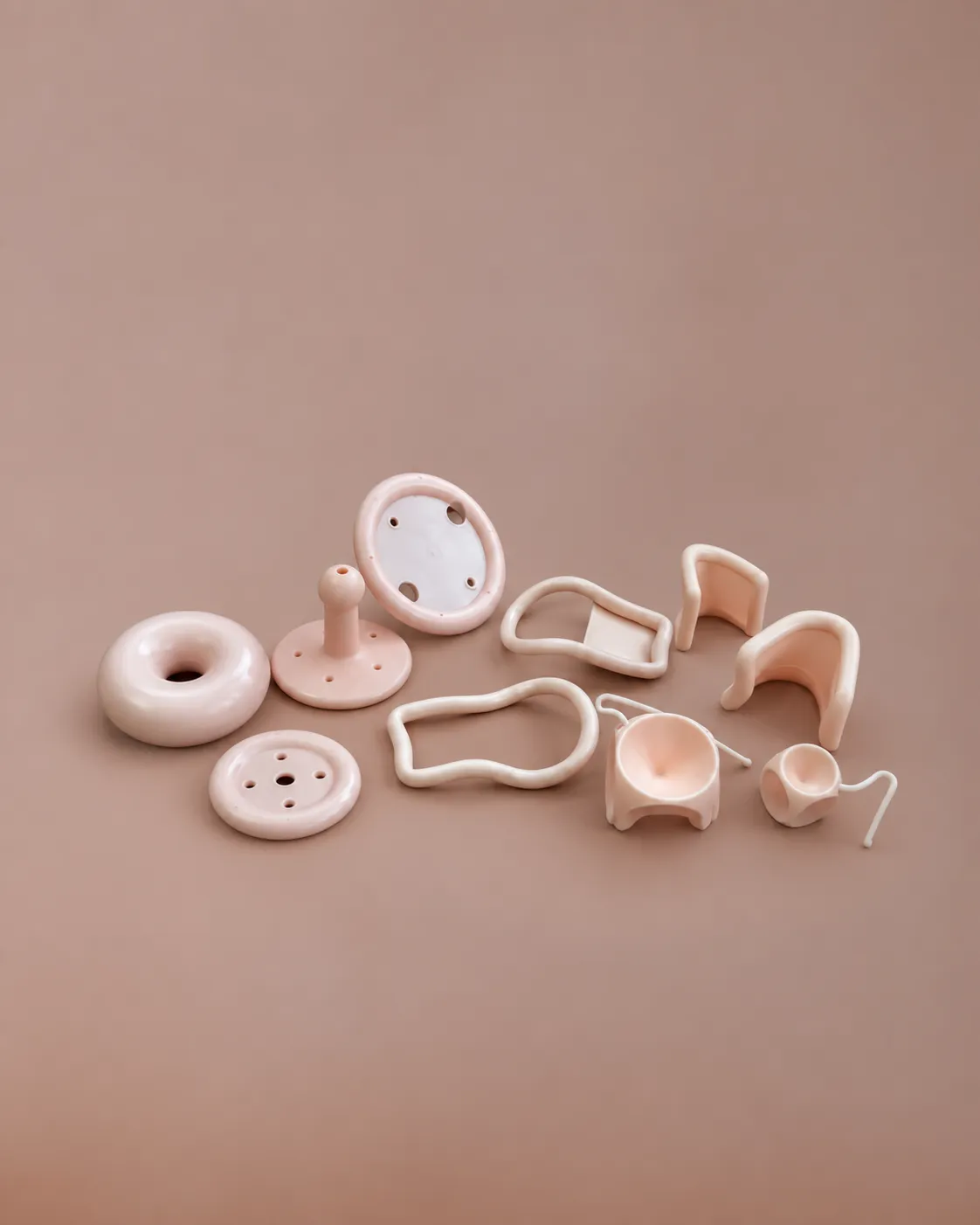
A pessary is a removable medical device placed inside the vagina to support the pelvic organs. It can help reduce pressure, heaviness, bulging, and urinary leakage so you can feel more comfortable during daily activities and exercise.
At the Peloraa Pessary Clinic, our trained pelvic health physiotherapists provide private and personalized pessary assessments, pessary fittings, education, and follow-up care. We help determine whether a pessary is appropriate for you, find the right size and shape for a comfortable fit, and teach you how to safely insert, remove, clean, and care for it.
Pessary fitting may also be combined with pelvic floor physiotherapy to help manage your symptoms and support your goals.
Your care, thoughtfully consideredA trained provider assesses your symptoms and selects a pessary shape and size to trial. A suitable pessary should feel comfortable, remain supportive during movement and toileting, and allow you to empty your bladder.
Cleaning and removal schedules vary by pessary type, your ability to self-manage, tissue health, and your provider’s instructions. Peloraa’s pessary clinic provides insertion, removal, cleaning, safety, and follow-up education specific to you.
Yes. A pessary provides mechanical support, while pelvic floor physiotherapy can address muscle function, breathing, bowel habits, movement, and pressure management. Many people benefit from using both as part of a personalized prolapse plan.
A little more clarityA vaginal pessary is a removable medical device placed inside the vagina to support pelvic organs or help manage stress urinary incontinence. It is a non-surgical option available in different shapes and sizes.
Consider a pessary assessment if you feel vaginal heaviness, pressure, a bulge, or a sensation that something is falling down, especially when standing, lifting, or exercising. A pessary may also help urine leakage with coughing, sneezing, running, or jumping.
A pessary may be considered for bladder prolapse (cystocele), rectocele, uterine prolapse, enterocele, urethrocele, or vaginal vault prolapse after hysterectomy. Suitability depends on your symptoms, anatomy, medical history, tissue health, and goals.
A pessary fitting may cause pressure or temporary discomfort, but it should not cause persistent pain. Tell your provider immediately if you feel pain so the pessary can be removed or a different size or style can be tried.
A pessary can shift or fall out if the size or shape is not suitable, particularly during a bowel movement, lifting, or higher-impact activity. A follow-up fitting can help adjust the size, style, or care plan.
Many people use a pessary to feel more supported during walking, lifting, running, or exercise. Your provider should confirm that the pessary remains comfortable and supportive during the activities that matter to you.
It depends on the type of pessary and the kind of sexual activity. Some pessaries may remain in place during vaginal penetration, while others need to be removed; your provider can explain the options based on your goals.
Peloraa’s pessary clinic provides assessments, fittings, education, and follow-up care in Etobicoke and Ottawa, subject to trained-provider availability. Contact the location nearest you to confirm service details.
Find your Peloraa location in Ottawa or Etobicoke, meet your lead therapist, and take your next step.

652 Flagstaff Dr, Unit #11
Ottawa, ON K2J 7J6
270 The Kingsway, Unit #207
Etobicoke, ON M9A 3T7
BEYOND THE CLINIC
Everyday conversations, a closer look at our care, and moments from our community. Follow along with us on Instagram.
Follow @the_peloraaA few moments from @the_peloraa. Swipe to explore on mobile.

