


Move with confidence.
Pelvic Health Clinic - Peloraa
×
PELORAA logo illuminated on the clinic wall

Care for every body

Your next chapter.
A little more care.

You deserve to feel heard, supported, and comfortable in your body. Take your next step with PELORAA.

Book Now

Ottawa · Etobicoke

Inginal hernia

A Lump or Ache in Your Groin? It Could Be an Inguinal Hernia

Pelvic health for every body

You notice a small lump where your lower abdomen meets your thigh. It becomes more visible when you stand, cough, lift, or exercise—and may become smaller when you lie down.
Maybe it does not hurt, but the area feels heavy, tender, or uncomfortable. Perhaps you have stopped lifting weights, running, or completing your usual activities because you are worried about making it worse.
These can be signs of an inguinal hernia, one of the most common types of abdominal-wall hernia.
An inguinal hernia requires assessment by a qualified medical provider. Physiotherapy cannot close or repair the hernia. However, after appropriate medical assessment, physiotherapy may support movement, breathing, and abdominal pressure management, preparation for surgery, and a gradual return to activity following repair.
At Peloraa

At Peloraa

Physiotherapy cannot close or repair an inguinal hernia.
After appropriate medical assessment, physiotherapy may help you maintain comfortable movement, modify activities that aggravate symptoms, improve breathing and abdominal pressure management, address constipation-related straining, prepare physically for surgery, rebuild mobility and strength after surgery, return gradually to work, lifting, running, or sports, address associated hip, abdominal, pelvic floor, or scar restrictions. Your rehabilitation plan should complement—not replace—the recommendations of your physician or surgeon.

Understand your journey

What You Should Know About Inginal hernia

Find clear, supportive answers to common questions about urinary incontinence, bladder leakage, symptoms, treatment, and pelvic health physiotherapy.
01

What Is an Inguinal Hernia?

An inguinal hernia develops in the inguinal canal, located in the lower abdomen near where the abdomen meets the inner thigh.Your abdominal wall normally helps contain and support…
Read more...
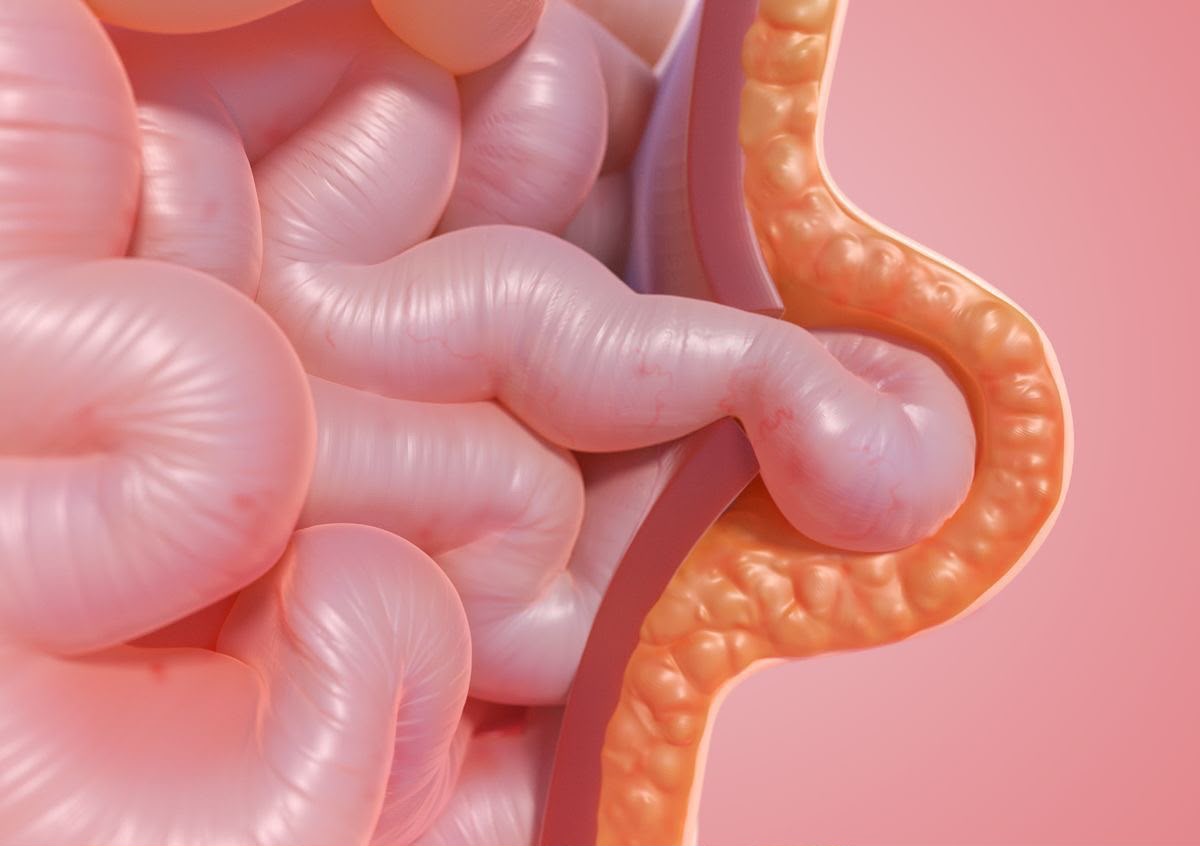
An inguinal hernia develops in the inguinal canal, located in the lower abdomen near where the abdomen meets the inner thigh.
Your abdominal wall normally helps contain and support the tissues and organs inside your abdomen. If an area of this wall is naturally vulnerable or becomes weakened, fat, bowel, or another internal tissue may push through it.
This may cause:
  • A visible or noticeable lump in the groin
  • A bulge that appears when standing
  • Groin pressure or heaviness
  • Aching, burning, or pulling
  • Discomfort while coughing or lifting
  • A bulge that becomes smaller when lying down
  • Swelling extending toward the scrotum in some people
The NIDDK notes that inguinal hernia symptoms may become more noticeable with coughing, lifting, straining, or prolonged standing and may improve with rest or lying down. [1]
02

What Does an Inguinal Hernia Feel Like?

Not everyone with an inguinal hernia experiences pain. Some people first notice a painless lump, while others experience:A dull ache in the groinBurning or pinchingA pulling…
Read more...
Not everyone with an inguinal hernia experiences pain. Some people first notice a painless lump, while others experience:
  • A dull ache in the groin
  • Burning or pinching
  • A pulling sensation
  • Pressure or heaviness
  • Tenderness around the bulge
  • Discomfort after prolonged standing
  • Pain during coughing or sneezing
  • Pain while lifting, pushing, or pulling
  • Discomfort during exercise
  • Swelling in the groin or scrotum
  • A feeling that something is “popping out”
Symptoms may come and go. A hernia may be difficult to notice in the morning but become more visible after a day of standing, working, coughing, or physical activity.
A lump or pain in the groin is not always an inguinal hernia. Other possible causes include:
  • A muscle or tendon injury
  • An enlarged lymph node
  • A hip condition
  • A femoral hernia
  • A testicular condition
  • Pelvic floor dysfunction
  • A cyst or another soft-tissue condition
  • Other abdominal, pelvic, or medical concerns
A new or unexplained groin lump should be assessed by a qualified healthcare provider.
03

Why Does the Lump Appear When I Cough or Stand?

Coughing, sneezing, lifting, straining, and standing can increase pressure inside the abdomen.If there is a weakened or open area in the abdominal wall, this pressure may push…
Read more...
Coughing, sneezing, lifting, straining, and standing can increase pressure inside the abdomen.
If there is a weakened or open area in the abdominal wall, this pressure may push internal tissue toward or through it. This can make the bulge more noticeable.
When you lie down, the pressure changes and the tissue may move back inside, causing the lump to become smaller or temporarily disappear.
A hernia that can move back inside is sometimes described as reducible. Do not repeatedly force a painful lump back in yourself. A painful, firm, or non-reducible lump requires urgent medical assessment.
04

What Causes an Inguinal Hernia?

An inguinal hernia may be related to a combination of tissue vulnerability and increased or repeated pressure on the abdominal wall.Contributing factors may include:An opening or…
Read more...
An inguinal hernia may be related to a combination of tissue vulnerability and increased or repeated pressure on the abdominal wall.
Contributing factors may include:
  • An opening or vulnerable area present since birth
  • Age-related tissue changes
  • A family history of hernia
  • A previous inguinal hernia
  • Chronic coughing
  • Constipation and repeated straining
  • Repetitive heavy lifting
  • Pregnancy
  • Previous abdominal or pelvic surgery
  • Certain connective-tissue conditions
  • Smoking
  • Activities or occupations involving repeated physical strain
Heavy lifting may make an existing hernia more noticeable, but it is not necessarily the only cause. In many cases, the abdominal wall was already vulnerable before symptoms appeared.
05

What Is the Difference Between a Direct and Indirect Inguinal Hernia?

There are two main types of inguinal hernia.Indirect inguinal herniaAn indirect inguinal hernia passes through the internal opening of the inguinal canal. It is often associated…
Read more...
There are two main types of inguinal hernia.

Indirect inguinal hernia

An indirect inguinal hernia passes through the internal opening of the inguinal canal. It is often associated with an opening that did not fully close during development.
It can appear at any age and may sometimes extend into the scrotum.

Direct inguinal hernia

A direct inguinal hernia pushes through an area of weakness in the lower abdominal wall. It is more commonly associated with changes in tissue strength over time.
You generally cannot determine which type you have based on symptoms alone. A physician or surgeon can assess the location and decide whether imaging is needed.
06

Is an Inguinal Hernia Dangerous?

Many inguinal hernias are not immediate emergencies, but complications can occur.Seek emergency medical care if you experience:Sudden or rapidly worsening groin or abdominal painA…
Read more...
Many inguinal hernias are not immediate emergencies, but complications can occur.

Seek emergency medical care if you experience:

  • Sudden or rapidly worsening groin or abdominal pain
  • A bulge that becomes firm or extremely tender
  • A bulge that no longer becomes smaller when lying down
  • Nausea or vomiting
  • Fever
  • Increasing abdominal swelling
  • Difficulty passing stool or gas
  • Red, purple, or dark discolouration over the bulge
  • A previously manageable hernia that suddenly becomes severely painful
Do not attempt to exercise, massage, or force a painful hernia back into place when these symptoms are present.
07

Will an Inguinal Hernia Heal on Its Own?

An inguinal hernia does not usually close or repair itself in an adult.Exercise may improve movement, strength, breathing, and abdominal pressure management, but it cannot close…
Read more...
An inguinal hernia does not usually close or repair itself in an adult.
Exercise may improve movement, strength, breathing, and abdominal pressure management, but it cannot close the opening in the abdominal wall. Surgical repair is the treatment used to physically repair the hernia.
However, not every inguinal hernia requires immediate surgery. For some men with asymptomatic or minimally symptomatic inguinal hernias, a surgeon may recommend watchful waiting with appropriate monitoring.
The decision to monitor or surgically repair a hernia should be made with a physician or surgeon.
08

Does Every Inguinal Hernia Require Surgery?

Not necessarily immediately, but surgery is the only way to repair the opening itself.A physician or surgeon may consider:Whether the hernia causes painWhether it is becoming…
Read more...
Not necessarily immediately, but surgery is the only way to repair the opening itself.
A physician or surgeon may consider:
  • Whether the hernia causes pain
  • Whether it is becoming larger
  • How it affects work or exercise
  • Whether it moves back inside
  • Your age and overall health
  • The possibility of a femoral hernia
  • Your risk of complications
  • Your personal preferences
  • The risks and benefits of surgery
Hernia repair can be performed using an open or minimally invasive approach. Mesh is commonly used, although the most appropriate procedure depends on the hernia, your health, and your surgeon’s recommendations. [2]
09

Can I Exercise With an Inguinal Hernia?

Possibly, but your activity should be guided by your symptoms and medical recommendations.Some people can continue lower-intensity activity while awaiting medical or surgical…
Read more...
Possibly, but your activity should be guided by your symptoms and medical recommendations.
Some people can continue lower-intensity activity while awaiting medical or surgical care. Others experience pain, increasing bulging, or pressure with certain movements and need to modify them.
People commonly have questions about:
  • Weightlifting
  • Running
  • Cycling
  • Abdominal exercises
  • Squats and deadlifts
  • High-intensity interval training
  • Contact sports
  • Physically demanding work
There is no universal list of exercises that is safe for everyone with an inguinal hernia.
Until you have been medically assessed:
  • Avoid activities that cause pain or noticeably increase the bulge
  • Avoid holding your breath during exertion
  • Do not strain through heavy or difficult repetitions
  • Use manageable loads
  • Exhale during the demanding part of a movement
  • Address constipation and chronic coughing
  • Stop if your symptoms become sharper, more intense, or persistent
  • Seek medical attention if the lump becomes firm, painful, discoloured, or no longer reduces
Exercise modification may help you manage symptoms, but it does not repair the hernia.
10

Will Core Exercises Fix an Inguinal Hernia?

No. Core exercises cannot close an inguinal hernia.An individualized rehabilitation program may help improve:Breathing mechanicsAbdominal muscle coordinationMovement…
Read more...
No. Core exercises cannot close an inguinal hernia.
An individualized rehabilitation program may help improve:
  • Breathing mechanics
  • Abdominal muscle coordination
  • Movement confidence
  • Lifting technique
  • General conditioning
  • Recovery before or after surgery
Aggressive abdominal exercises may aggravate symptoms if they cause pain, breath-holding, straining, or increased bulging.
Core rehabilitation should focus on breathing, coordination, movement quality, and gradual load tolerance—not simply bracing harder.
11

How Are the Pelvic Floor and an Inguinal Hernia Connected?

The pelvic floor does not directly cause every inguinal hernia, and pelvic floor physiotherapy cannot repair the opening.However, the pelvic floor, diaphragm, abdominal wall, and…
Read more...
The pelvic floor does not directly cause every inguinal hernia, and pelvic floor physiotherapy cannot repair the opening.
However, the pelvic floor, diaphragm, abdominal wall, and deep spinal muscles work together to manage pressure inside your abdomen.
Persistent breath-holding, constipation, repeated straining, chronic coughing, or poorly coordinated bracing may change how pressure moves through the abdomen and pelvis.
Some people with an inguinal hernia may also experience:
  • Constipation
  • Pelvic floor tension
  • Groin muscle pain
  • Hip stiffness
  • Abdominal guarding
  • Pain around a surgical scar
  • Fear of lifting or movement
  • Difficulty coordinating breathing during exertion
  • Pelvic pain unrelated to the hernia itself
After medical assessment, physiotherapy may help address these associated movement and pelvic health factors.
12

How Is an Inguinal Hernia Diagnosed?

A physician will usually begin by asking about your symptoms and examining your groin.You may be asked to:StandCoughStrain gentlyExplain when the bulge appearsDescribe the…
Read more...
A physician will usually begin by asking about your symptoms and examining your groin.
You may be asked to:
  • Stand
  • Cough
  • Strain gently
  • Explain when the bulge appears
  • Describe the activities that cause discomfort
  • Lie down so the area can be reassessed
Many inguinal hernias can be identified through medical history and physical examination. Ultrasound, CT, or MRI may be considered when the diagnosis is uncertain, the hernia is difficult to detect, or another condition is suspected.[1,3]
A physiotherapist may recognize symptoms that require medical investigation, but the diagnosis and medical management of a suspected inguinal hernia should involve an appropriate physician or surgeon.
13

How Can Physiotherapy Support Inguinal Hernia Care?

Physiotherapy cannot close or repair an inguinal hernia.After appropriate medical assessment, physiotherapy may help youMaintain comfortable movementModify activities that…
Read more...
Physiotherapy cannot close or repair an inguinal hernia.
After appropriate medical assessment, physiotherapy may help you
  • Maintain comfortable movement
  • Modify activities that aggravate symptoms
  • Improve breathing and abdominal pressure management
  • Address constipation-related straining
  • Prepare physically for surgery
  • Rebuild mobility and strength after surgery
  • Return gradually to work, lifting, running, or sports
  • Address associated hip, abdominal, pelvic floor, or scar restrictions
Your rehabilitation plan should complement—not replace—the recommendations of your physician or surgeon.

14

Physiotherapy Before Inguinal Hernia Surgery

Preoperative physiotherapy may help you prepare for your recovery.Breathing and abdominal pressure managementYou may learn how to coordinate breathing during the…
Read more...
Preoperative physiotherapy may help you prepare for your recovery.

Breathing and abdominal pressure management

You may learn how to coordinate breathing during the following:
  • Standing and sitting
  • Rolling in bed
  • Coughing or sneezing
  • Lifting
  • Bowel movements
  • Work tasks
  • Exercise
The goal is to reduce unnecessary breath-holding and straining while maintaining comfortable movement.

Activity modification

A physiotherapist may help you identify movements that provoke your symptoms and find temporary modifications.
This may involve changing:
  • Exercise intensity
  • Lifting load
  • Repetition ranges
  • Body position
  • Breathing strategy
  • Work techniques
  • Rest periods
These modifications manage physical demands; they do not repair the hernia.

Constipation and bowel support

Repeated straining during bowel movements can increase abdominal pressure and aggravate symptoms.
Support may include:
  • Toilet positioning
  • Breathing during bowel movements
  • Avoiding repeated straining
  • General fibre and fluid education
  • Referral to a physician or dietitian when appropriate

General conditioning

Maintaining comfortable mobility and overall conditioning before surgery may help you prepare for daily activity after the procedure.
15

Physiotherapy After Inguinal Hernia Surgery

After clearance from your surgical team, physiotherapy may help you gradually return to your usual activities.Rehabilitation may include:Walking and general mobilityBreathing…
Read more...
After clearance from your surgical team, physiotherapy may help you gradually return to your usual activities.
Rehabilitation may include:
  • Walking and general mobility
  • Breathing exercises
  • Gentle abdominal coordination
  • Hip and spinal mobility
  • Scar mobility after the incision has healed
  • Progressive strengthening
  • Lifting retraining
  • Return-to-running preparation
  • Return-to-work conditioning
  • Pelvic floor relaxation or coordination when relevant
  • Strategies for coughing and bowel movements
  • Support for movement-related fear
Recovery time varies based on:
  • The surgical approach
  • Your surgeon’s instructions
  • Tissue healing
  • Pain and swelling
  • Your previous activity level
  • Work demands
  • The type of exercise or sport you want to resume
Your surgeon’s restrictions and recommendations should take priority over general online advice.
16

Why Does My Groin Still Hurt After Hernia Surgery?

Some discomfort, pulling, sensitivity, numbness, or altered sensation can occur during recovery.Possible contributors include:Normal tissue healingSwellingScar sensitivityMuscle…
Read more...
Some discomfort, pulling, sensitivity, numbness, or altered sensation can occur during recovery.
Possible contributors include:
  • Normal tissue healing
  • Swelling
  • Scar sensitivity
  • Muscle guarding
  • Reduced hip or trunk mobility
  • Nerve irritation
  • Returning to activity too quickly
  • Persistent postsurgical pain
  • Hernia recurrence
  • Another source of groin pain
New, severe, or progressively worsening pain should be discussed with your surgical team. After medical complications have been excluded, physiotherapy may help address associated musculoskeletal, scar, movement, or pelvic floor factors.
17

What Happens During a Physiotherapy Assessment?

Your physiotherapist may ask about:Your medical diagnosisWhen your symptoms beganWhere the lump or pain is locatedActivities that aggravate the symptomsCoughing, constipation, or…
Read more...
Your physiotherapist may ask about:
  • Your medical diagnosis
  • When your symptoms began
  • Where the lump or pain is located
  • Activities that aggravate the symptoms
  • Coughing, constipation, or straining
  • Work and exercise demands
  • Previous abdominal or pelvic surgery
  • Your planned or completed hernia repair
  • Current postoperative precautions
  • Bladder, bowel, or pelvic symptoms
  • Your goals for returning to activity
Depending on your medical status, the physical assessment may examine:
  • Breathing mechanics
  • Abdominal pressure management
  • Hip and spinal mobility
  • Abdominal muscle coordination
  • Pelvic floor coordination when relevant
  • Lifting and movement strategies
  • Surgical scar mobility after healing
  • Tolerance for daily or exercise-related activities
Physiotherapy for a suspected hernia should begin only after appropriate medical assessment.
How we support you

The Peloraa Way

01

How Can Physiotherapy Support Inguinal Hernia Care?

Physiotherapy cannot close or repair an inguinal hernia.
After appropriate medical assessment, physiotherapy may help you
  • Maintain comfortable movement
  • Modify activities that aggravate symptoms
  • Improve breathing and abdominal pressure management
  • Address constipation-related straining
  • Prepare physically for surgery
  • Rebuild mobility and strength after surgery
  • Return gradually to work, lifting, running, or sports
  • Address associated hip, abdominal, pelvic floor, or scar restrictions
Your rehabilitation plan should complement—not replace—the recommendations of your physician or surgeon.
02

What Happens During a Physiotherapy Assessment?

Your physiotherapist may ask about:
  • Your medical diagnosis
  • When your symptoms began
  • Where the lump or pain is located
  • Activities that aggravate the symptoms
  • Coughing, constipation, or straining
  • Work and exercise demands
  • Previous abdominal or pelvic surgery
  • Your planned or completed hernia repair
  • Current postoperative precautions
  • Bladder, bowel, or pelvic symptoms
  • Your goals for returning to activity
Depending on your medical status, the physical assessment may examine:
  • Breathing mechanics
  • Abdominal pressure management
  • Hip and spinal mobility
  • Abdominal muscle coordination
  • Pelvic floor coordination when relevant
  • Lifting and movement strategies
  • Surgical scar mobility after healing
  • Tolerance for daily or exercise-related activities
Physiotherapy for a suspected hernia should begin only after appropriate medical assessment.
A little more clarity

Frequently Asked Questions About Inguinal Hernias

01

What are the first signs of an inguinal hernia?

Read more
A common first sign is a lump or bulge in the groin that becomes more visible when standing, coughing, lifting, or straining. Some people experience aching, burning, heaviness, or pressure without an obvious lump.
02

Can an inguinal hernia cause testicular or scrotal pain?

Read more
An inguinal hernia may extend toward the scrotum and cause swelling or discomfort. However, sudden or severe testicular pain can have other urgent causes and requires prompt medical assessment.
03

Can a small inguinal hernia become larger?

Read more
Yes. Some hernias remain relatively stable, while others become larger or more symptomatic. A physician or surgeon can discuss whether monitoring or surgical treatment is appropriate.
04

Can I lift weights with an inguinal hernia?

Read more
This depends on your symptoms, examination findings, and medical recommendations. Heavy lifting, breath-holding, or straining may increase discomfort or bulging. Seek medical assessment and avoid activities that cause pain or visibly worsen the bulge.
05

Can a hernia belt or truss repair an inguinal hernia?

Read more
No. A support garment may temporarily help manage symptoms in selected cases, but it cannot close the abdominal-wall opening. Discuss its use and correct fitting with a healthcare provider.
06

Can losing weight cure an inguinal hernia?

Read more
No. Weight management may affect abdominal pressure or surgical risk for some individuals, but it cannot close an existing hernia.
07

Can physiotherapy push the hernia back in?

Read more
No. Physiotherapy should not attempt to force a painful or trapped hernia back into the abdomen. A firm, painful, or non-reducible hernia requires urgent medical assessment.
08

Can physiotherapy help me avoid surgery?

Read more
Physiotherapy cannot repair the abdominal-wall opening or guarantee that surgery can be avoided. It may help manage associated movement concerns, physical conditioning, breathing, and pressure-management strategies while you follow your medical provider’s recommendations.
09

When can I return to the gym after hernia surgery?

Read more
The timeline depends on the surgical approach, tissue healing, symptoms, activity demands, and your surgeon’s instructions. Exercise should be rebuilt gradually after appropriate clearance.
10

Can I return to heavy lifting after hernia repair?

Read more
Many people work toward returning to lifting after surgery, but the progression should be individualized. Your surgical instructions, symptoms, healing, breathing, technique, and load tolerance should guide the process.
11

Can an inguinal hernia return after surgery?

Read more
Recurrence is possible but not inevitable. Surgical technique, tissue health, healing, smoking, chronic coughing, constipation, and repeated strain may influence risk. Speak with your surgeon about your individual risk.
Move With More Confidence Before and After Hernia Repair
An inguinal hernia cannot be exercised away. However, appropriate rehabilitation may help you manage physical demands, prepare for surgery, and gradually return to work, lifting, running, or exercise after repair.
Peloraa provides individualized physiotherapy before and after inguinal hernia surgery in Ottawa and Etobicoke.
We assess breathing, abdominal pressure management, movement, strength, and the body–pelvic connection while working within your physician’s or surgeon’s recommendations.
Have a new or unexplained groin lump? Begin with a physician or urgent medical assessment. Already diagnosed or recovering after surgery? Contact Peloraa to discuss whether physiotherapy is appropriate for you.
Book an assessment
References & Clinical Credits
Medical Disclaimer‍
This page is provided for general educational purposes only. It is not intended to diagnose an inguinal hernia, replace an examination by a qualified healthcare provider, or provide individualized medical or surgical advice.
Physiotherapy cannot close or repair an inguinal hernia. It may support movement, physical conditioning, abdominal pressure management, and rehabilitation before or after surgery when medically appropriate.
A new or unexplained groin lump should be assessed by a physician or other qualified medical provider. Seek emergency medical care for sudden or severe pain, vomiting, fever, abdominal swelling, difficulty passing stool or gas, skin discolouration over the lump, or a firm and painful bulge that does not become smaller when lying down.
Always follow the advice and postoperative restrictions provided by your physician or surgeon.

our team

The people behind
your care.

Our focus is pelvic health, our purpose is people, and our vision is care that’s there for every body.

- The Co-Founders, Peloraa

Nidhi Parmar & Priya Chikani

our locations

Two locations.
One thoughtful approach.

Find your Peloraa location in Ottawa or Etobicoke, meet your lead therapist, and take your next step.

Contact Us
SOUTHERN ONTARIO, CANADATwo places to feel supported.
Find your care, closer to home.Map data: Ontario · Open Government Licence
PELORAA LOCATIONS

Care, closer to you.

BEYOND THE CLINIC

A little more
PELORAA.

Everyday conversations, a closer look at our care, and moments from our community. Follow along with us on Instagram.

Follow @the_peloraa

A few moments from @the_peloraa. Swipe to explore on mobile.